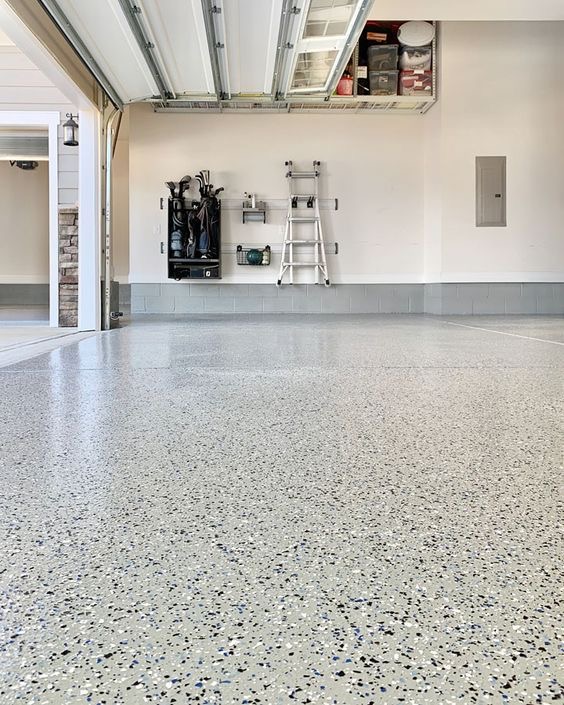
- Avista flake
- Cool rooms
- Industrial flooring
- Road marking
- Warning/hazardous signage
Resurfacing typically refers to the process of renewing or restoring the surface of a structure or area. It can apply to various contexts, such as road resurfacing, where the top layer of the road is replaced to address wear and tear. In sports, resurfacing may involve renewing the playing surface of a court or field. Additionally, resurfacing can be relevant in the context of refinishing or renewing coatings on floors, decks, or other surfaces. The goal is to improve functionality, aesthetics, or durability by addressing the wear and damage that occurs over time. The specific methods and materials used in resurfacing depend on the nature of the surface and the desired outcome.
Resurfacing offers several benefits across different contexts:
1. Renewed Aesthetics: Resurfacing enhances the appearance of surfaces, giving them a fresh, new look. This is particularly important for areas with visible wear or aging.
2. Improved Functionality: In cases like road resurfacing or sports courts, the process can improve functionality by providing a smoother and more durable surface, contributing to better performance and safety.
3. Extended Lifespan: Resurfacing helps extend the lifespan of structures by addressing surface damage, preventing further deterioration, and protecting against environmental factors.
4. Cost-Effective Maintenance: It can be a cost-effective maintenance solution compared to full replacements. Resurfacing allows for improvements without the need for extensive reconstruction.
5. Enhanced Safety: For roadways and sports surfaces, resurfacing can contribute to improved safety by eliminating hazards like potholes, cracks, or uneven surfaces.
6. Increased Property Value: In the case of residential or commercial properties, resurfacing can enhance curb appeal, potentially increasing property value and attracting positive attention.
7. Environmental Impact: Resurfacing projects often generate less waste compared to full replacements, making them more environmentally friendly in terms of material usage and disposal.
8. Quick Turnaround: Resurfacing projects often have shorter timelines compared to major replacements, minimizing disruptions and allowing for quicker restoration of functionality.
Overall, resurfacing is a versatile and effective strategy for maintaining and revitalizing various surfaces, offering a balance between cost, efficiency, and positive outcomes.